Farming has evolved significantly over the years, shaped by changing climates, population growth, and technological advancements. While traditional farming methods have sustained agriculture for generations, modern farming practices aim to improve efficiency, productivity, and sustainability. Understanding the strengths of both approaches helps farmers choose what works best for their land and conditions.
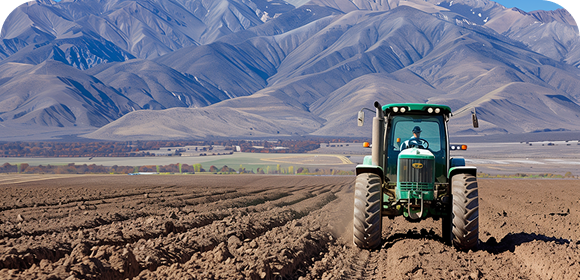
Traditional Farming: Strengths and Limitations
Traditional farming relies on age-old practices such as local seed varieties, manual labor, natural inputs, and experience-based decision making. These methods are deeply connected to local ecosystems and often involve lower initial costs.
However, traditional practices may struggle to meet today’s challenges. Limited yield potential, higher vulnerability to pests, diseases, and climate stress, and inconsistent output can restrict profitability—especially under increasing environmental pressure.
Modern Farming: Innovation and Efficiency
Modern farming integrates scientific research, improved seed genetics, mechanization, and data-driven crop management. Hybrid seeds, precision irrigation, balanced nutrition, and field-tested agronomic practices allow farmers to achieve higher and more consistent yields.
Modern techniques focus on maximizing resource efficiency—producing more with less water, land, and inputs. This approach reduces risks and improves crop performance under varying climatic conditions.
Comparing Productivity and Sustainability
Traditional farming emphasizes natural balance and low chemical use, which supports long-term soil health. Modern farming, when practiced responsibly, builds on this by combining sustainability with productivity through better crop genetics and precision management.
The most successful farming systems today often blend both approaches—preserving traditional knowledge while adopting modern innovations that enhance yield stability and resilience.
What Works Best for Today’s Farmers?
With rising input costs and climate uncertainty, modern farming practices supported by scientific research offer greater reliability and scalability. High-quality hybrid seeds, tested across diverse environments, provide farmers with confidence and predictable outcomes.
At the same time, respecting traditional wisdom and adapting modern tools thoughtfully ensures sustainability remains at the core of agriculture.
The Balanced Path Forward
The future of farming lies not in choosing one method over the other, but in integrating the best of both. By combining traditional experience with modern agricultural science, farmers can achieve higher productivity, long-term soil health, and sustainable growth.