As agriculture adapts to limited land, water scarcity, and rising food demand, new farming methods like hydroponics are gaining attention. While traditional farming remains the backbone of food production, hydroponics offers an alternative approach. Understanding the differences helps determine which system is better for specific needs.
What Is Traditional Farming?
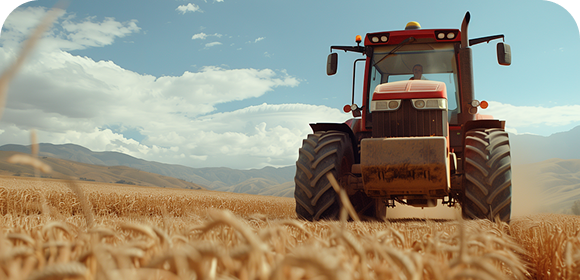
Traditional farming involves growing crops in soil using natural sunlight, seasonal cycles, and conventional irrigation. It supports large-scale food production and allows crops to develop naturally in open environments. This method is widely practiced, cost-effective at scale, and well suited for staple crops such as cereals, pulses, and oilseeds.
However, traditional farming depends heavily on weather conditions, soil quality, and water availability. Yields may vary due to climate stress, pests, or soil degradation.
What Is Hydroponic Farming?
Hydroponics is a soil-less farming technique where plants grow in nutrient-rich water solutions. Crops receive precise nutrients in controlled environments, often indoors or in greenhouses. This method enables faster growth, higher yield per unit area, and efficient water usage.
Hydroponics is especially useful for leafy vegetables and high-value crops. However, it requires high initial investment, technical expertise, and constant monitoring, making it less accessible for large-scale staple crop production.
Yield, Water, and Resource Efficiency
Hydroponics uses significantly less water compared to traditional farming and allows year-round production. Traditional farming, when managed sustainably, supports diverse cropping systems and maintains soil health over time.
While hydroponics maximizes space efficiency, traditional farming remains more economical and scalable for crops that require extensive land.
Cost and Practicality
Hydroponic systems involve higher setup and operating costs, including infrastructure, energy, and skilled labor. Traditional farming generally has lower entry barriers and is more practical for rural and large-scale agricultural operations.
Which Is Better?
There is no single “better” system. Hydroponics excels in controlled environments and urban farming, while traditional farming is essential for feeding large populations. The best approach depends on crop type, scale, resources, and long-term sustainability goals.
The Future of Farming
The future lies in using the right method for the right crop. Combining scientific advancements with responsible traditional practices ensures food security, efficient resource use, and sustainable agricultural growth.